
 Prendre un rendez-vous


Bienvenue
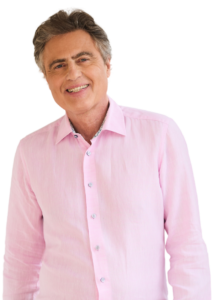 La consultation du Dr. Hertoghe vise non seulement à traiter les maladies, mais également à optimiser la santé de chaque patient, tout en essayant de retarder voire même d’inverser le vieillissement.
Basée sur des traitements hormonaux bio-identiques, des thérapies nutritionnelles, des améliorations du régime alimentaire et du style de vie, la médecine anti-âge a pour but fondamental d’optimiser la santé et la qualité de la vie.
Découvrez notre site internet destiné aux patients désireux de s’informer sur les nouveautés médicales, de mieux prendre soin d’eux-mêmes, et de participer à cet important mouvement qui prône la recherche d’une haute qualité de vie, même à un âge avancé.
Qui est le Dr Hertoghe?
Né à Anvers le 14 avril 1957, le Dr Thierry Hertoghe pratique la médecine dans son cabinet situé à Bruxelles, en Belgique. Il représente, avec sa sœur Thérèse Hertoghe, la quatrième génération successive de médecins travaillant avec des traitements hormonaux – et ce depuis 1892 (après Eugène – ancien vice-président de l’Académie Royale de Médecine de Belgique, Luc et Jacques Hertoghe – interniste-endocrinologue). Le Dr. Thierry Hertoghe consacre sa vie à rechercher et promouvoir de meilleurs traitements médicaux, mieux adaptés aux patients, et basés sur des données scientifiques solides.
La poursuite de cet objectif se fait de deux manières :
- Tout d’abord, en recueillant des données scientifiques sur des thérapies qui peuvent améliorer la qualité de la vie et la santé, ou même augmenter l’espérance de vie. Les informations obtenues sont ensuite transmises à d’autres médecins au travers des conférences médicales, des livres et des articles, des DVDs, des émissions radio et de télévision.
- Ensuite, grâce à une étude approfondie des risques potentiels d’un traitement, il enseigne aux autres médecins comment minimiser les risques des traitements et augmenter leur sécurité.
Auteur de nombreux ouvrages, le Dr. Thierry Hertoghe prend également la parole dans de nombreuses conférences et participe à de nombreux congrès. Il co-organise d’ailleurs beaucoup de ces rassemblements spécialisés, et détient des postes importants dans plusieurs organisations médicales internationales et nationales spécialisées en hormonothérapie et/ou en lutte contre le vieillissement. Il est le Président de la Société Mondiale de Médecine Anti-âge (World society of anti-aging medicine, plus de 7000 médecins) ainsi que de l’International Hormone Society (plus de 2500 médecins).